Gastroscopy
A gastroscopy allows direct visualization of the esophagus, stomach, and upper small intestine using a thin, flexible camera. It helps diagnose causes of heartburn, ulcers, or swallowing difficulties with minimal discomfort.
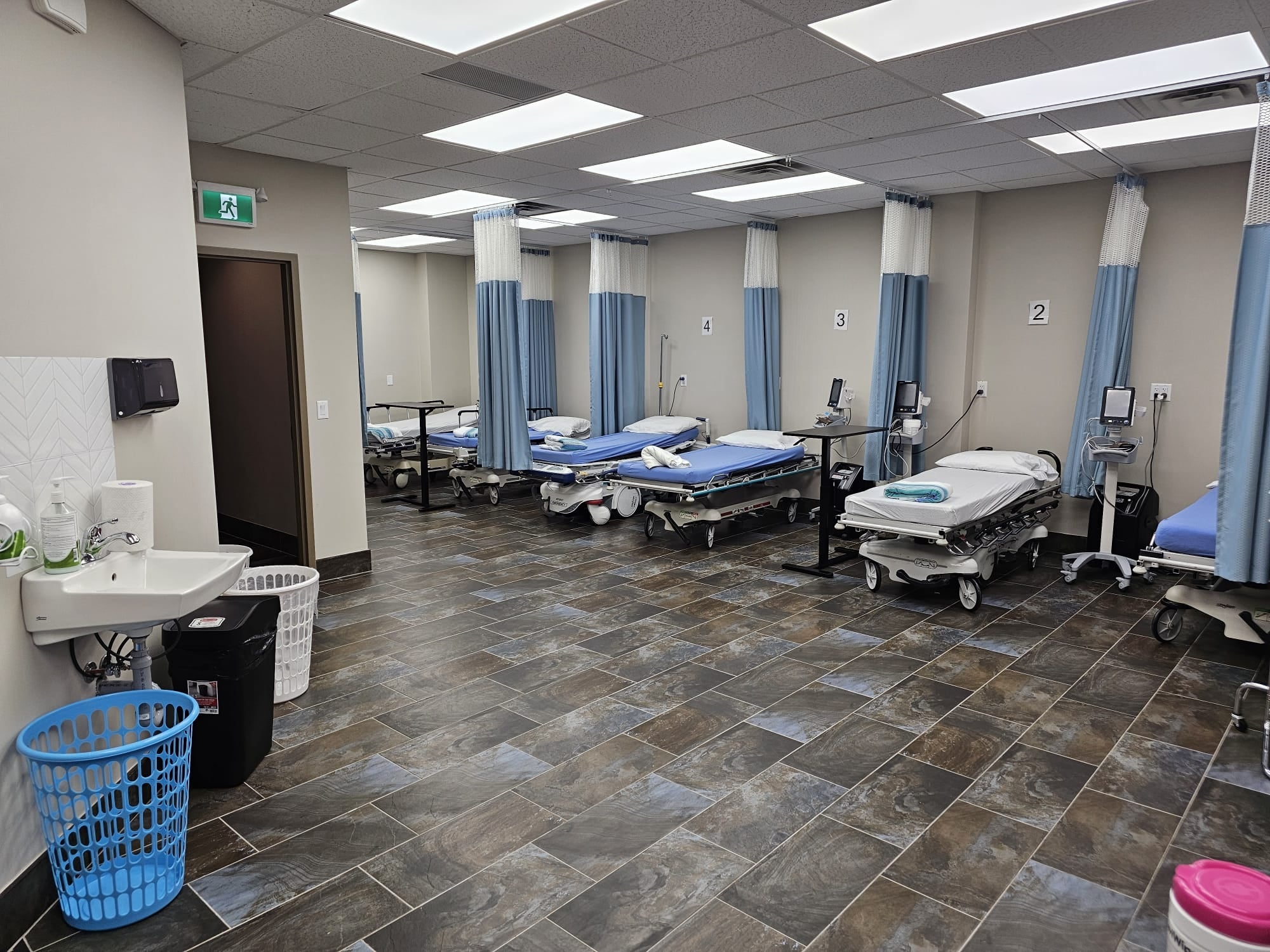
A gastroscopy allows direct visualization of the esophagus, stomach, and upper small intestine using a thin, flexible camera. It helps diagnose causes of heartburn, ulcers, or swallowing difficulties with minimal discomfort.
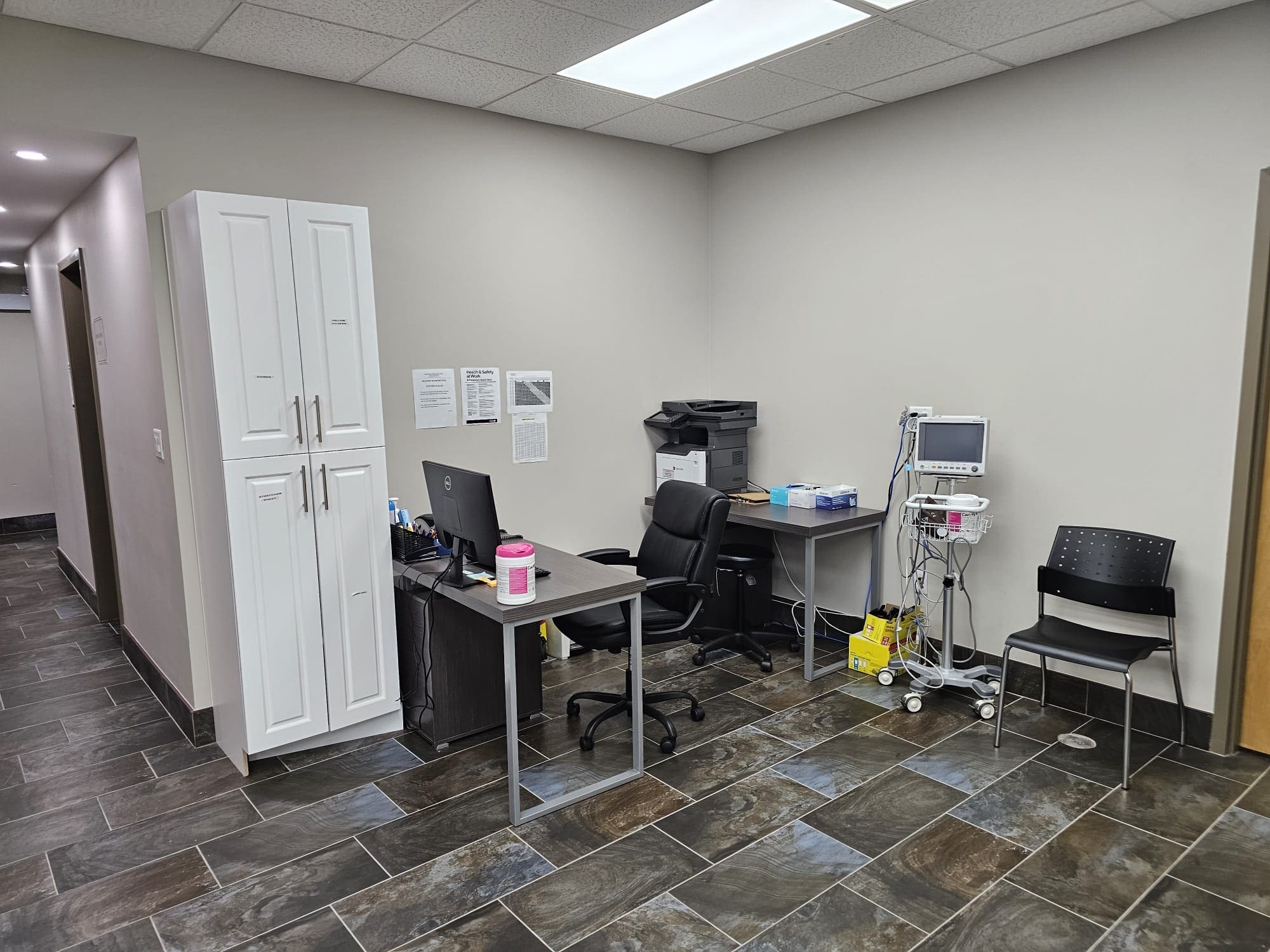
A colonoscopy is a safe, effective way to examine the entire large intestine. It detects and removes polyps early, preventing colon cancer and identifying sources of bleeding or inflammation.
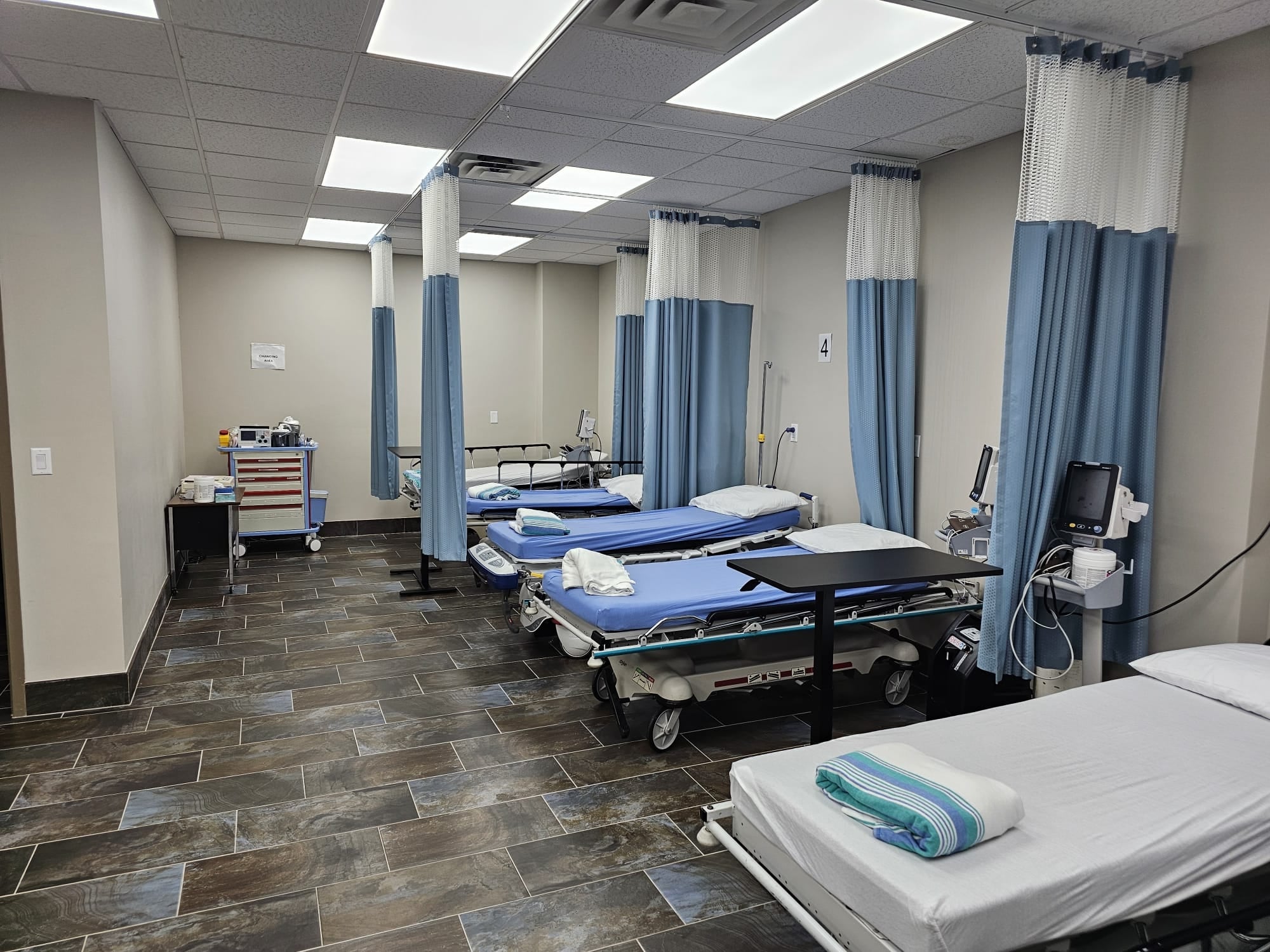
A sigmoidoscopy focuses on the lower colon and rectum. It’s a quick, minimally invasive test used to investigate rectal bleeding, bowel habit changes, or early signs of colorectal disease.
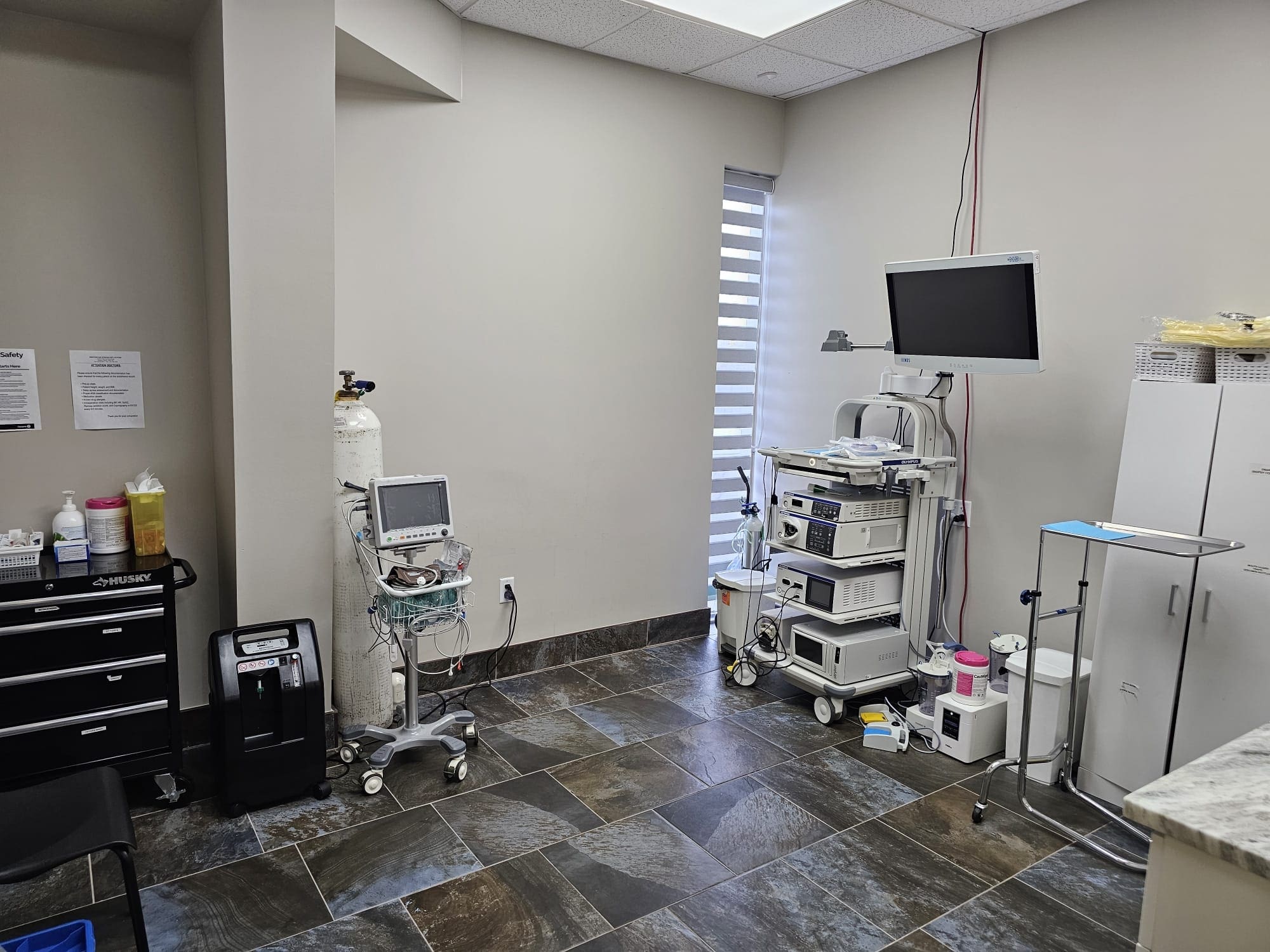
Anorectal evaluations help diagnose and treat conditions such as hemorrhoids, fissures, and abscesses. Our specialists ensure compassionate care using advanced techniques for comfort and recovery.
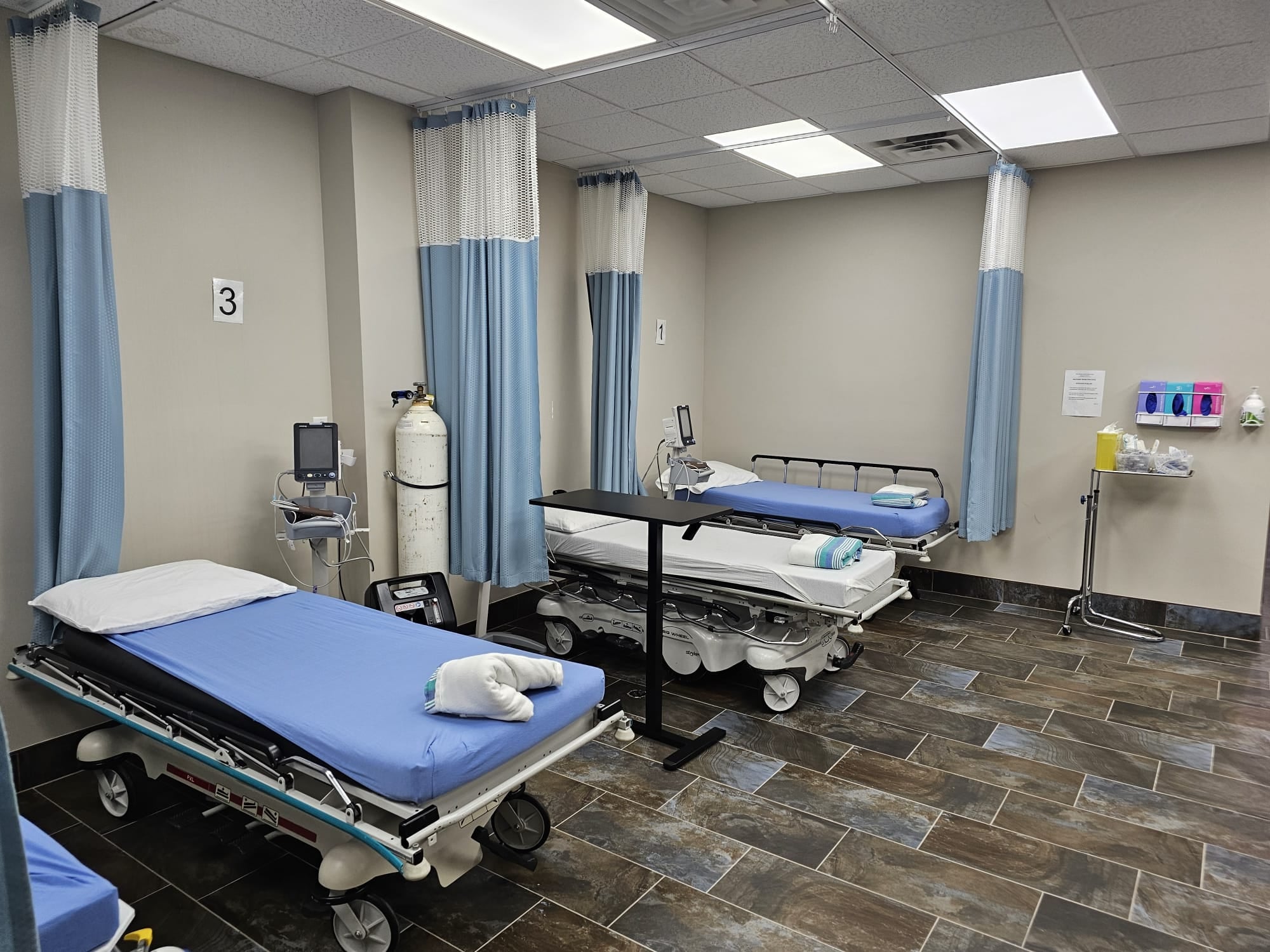
ERCP combines endoscopy and X-ray imaging to diagnose and treat disorders of the bile ducts and pancreas. It’s used for removing stones, relieving blockages, and investigating unexplained jaundice.We can arrange ERCP at the hospital
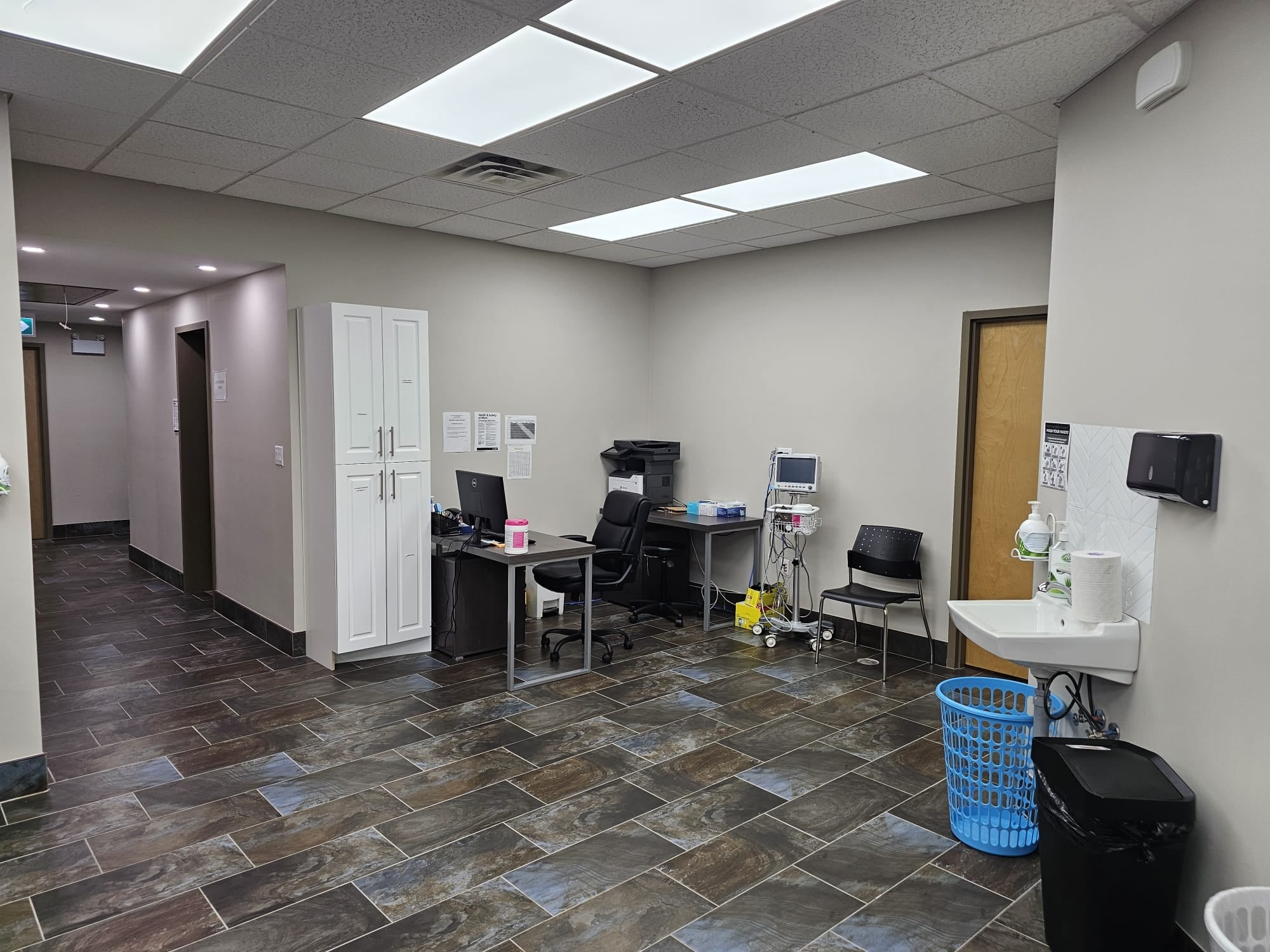
Endoscopic ultrasound provides high-resolution imaging of the digestive tract and surrounding organs. It’s used for detecting tumors, staging cancers, and guiding precise biopsies with minimal invasion.We can arrange Endoscopic ultrasound at the hospital